Introduction
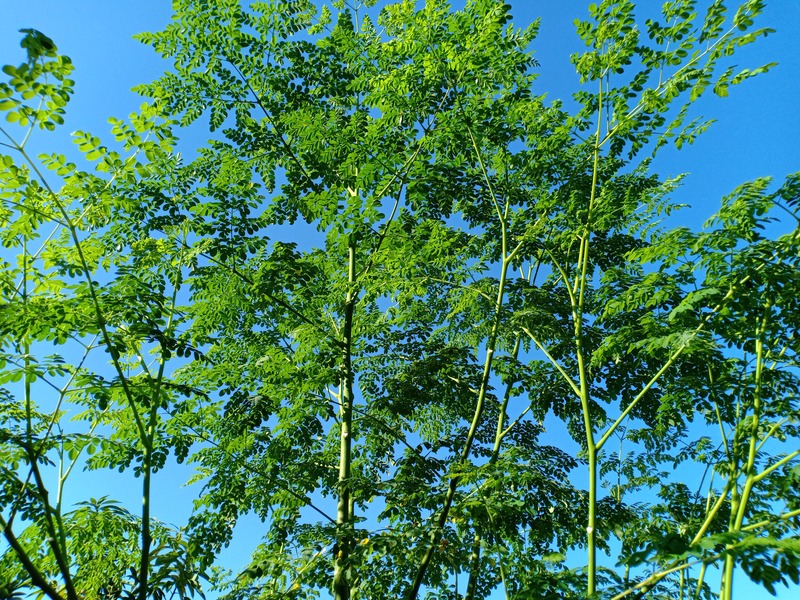
The Moringa plant, revered as the "miracle tree," is a fast-growing, nutrient-rich species native to northern India, celebrated for its edible leaves, pods, and seeds. Our organic, fruit-bearing Moringa seeds boast a 98% germination rate, ensuring near-guaranteed success for growers. In just 3 years, these seeds can transform into majestic trees reaching 10–12 meters (33–39 feet), producing 400–600 pods annually for harvest. This comprehensive guide provides detailed steps to grow your Moringa using our specialized Aarush soil, along with its benefits and expert growing tips. Download PDF Guide.
Why Our Seeds? Our organic, fruit-bearing Moringa seeds are hand-selected for their 98% germination rate and ability to grow into towering, pod-heavy trees up to 10–12 meters (33–39 feet) in 3 years under ideal conditions.
Benefits of Moringa
- Nutritional Powerhouse: Moringa leaves are rich in vitamins A, C, and E, calcium, potassium, and protein, surpassing many common foods (e.g., 7x the vitamin C of oranges, 4x the calcium of milk).
- Medicinal Properties: Contains antioxidants and anti-inflammatory compounds, supporting immune health, reducing inflammation, and potentially aiding in blood sugar regulation.
- Versatile Uses: Leaves, pods, and seeds are edible, used in culinary dishes, teas, and supplements. The seeds can also produce oil for cooking or skincare.
- Environmental Benefits: Moringa trees are drought-tolerant, improve soil health, and can be grown in arid regions, making them sustainable for eco-conscious gardening.
- Fast Growth: Reaches maturity quickly, providing shade, food, and economic opportunities within a few years.
Materials Needed
- Organic, fruit-bearing Moringa seeds (98% germination rate)
- 1/3 cup of water
- Hydrogen peroxide (3% solution, 1 teaspoon)
- Paper towel
- Ziplock bag (standard size)
- Aarush soil (half-gallon plastic bag, sufficient for a 4–6 inch pot)
- Small pot (4–6 inches in diameter with drainage holes)
- Warm location (70–85°F / 21–29°C)
Step-by-Step Guide
- Acquire Organic Moringa Seeds
Start with our organic, fruit-bearing Moringa seeds, boasting a 98% germination rate. Fresh seeds are critical for optimal sprouting success. - Soak the Seeds
Mix 1/3 cup of water with 1 teaspoon of 3% hydrogen peroxide in a clean glass. Soak the seeds for 24 hours to soften the seed coat and reduce fungal risks, enhancing germination. - Prepare the Paper Towel
Fold a clean paper towel in half and moisten it with the soaking water, ensuring it’s damp but not saturated. Place the seeds on one half, then fold the towel over to cover them. - Create a Germination Environment
Place the paper towel with seeds inside a ziplock bag. Gently remove excess air and seal to maintain humidity. Store in a warm location (70–85°F / 21–29°C), avoiding direct sunlight to prevent overheating. - Monitor Germination
Check daily. Within 3–14 days, the seeds should split, revealing a white root (radicle). With a 98% germination rate, most seeds will sprout successfully. - Prepare the Pot
Fill a 4–6 inch pot with drainage holes using a half-gallon bag of Aarush soil, formulated for Moringa. This amount ensures optimal drainage and nutrients. - Plant the Seeds
Carefully remove the germinated seed from the paper towel. Plant it 1/4 inch deep in the soil, positioning it sideways so the root split faces to the side for proper growth. - Water and Maintain
Water lightly to keep the soil moist but not waterlogged. Place the pot in a warm, sunny spot with at least 6 hours of indirect sunlight daily. Water sparingly, letting the soil dry slightly between waterings. - Nurture the Tree
Sprouts should appear within 1–2 weeks. With proper care, your Moringa can grow into a large tree, reaching 10–12 meters (33–39 feet) in 3 years if unpruned, with abundant fruit pods (400–600 annually). Prune annually to 3–4 meters (10–13 feet) for easier harvesting.
Expert Growing Tips
- Optimal Climate: Moringa thrives in tropical or subtropical climates (70–95°F / 21–35°C). In cooler regions, grow in a greenhouse or indoors with ample sunlight.
- Pruning Techniques: Prune annually in early spring to 3–4 meters to encourage bushy growth and higher pod yields. Remove dead or crowded branches to improve air circulation.
- Pest Management: Monitor for aphids or caterpillars. Use neem oil or insecticidal soap as organic pest control, applied early morning or late evening.
- Watering Schedule: Water young plants every 2–3 days, reducing to weekly for established trees. Ensure soil drains well to prevent root rot.
- F Fertilization: Use a balanced organic fertilizer (e.g., 10-10-10) every 2–3 months during the growing season to boost growth and pod production.
- Spacing: Plant trees 3 meters apart to allow room for growth and optimal sunlight exposure, maximizing pod yield.